

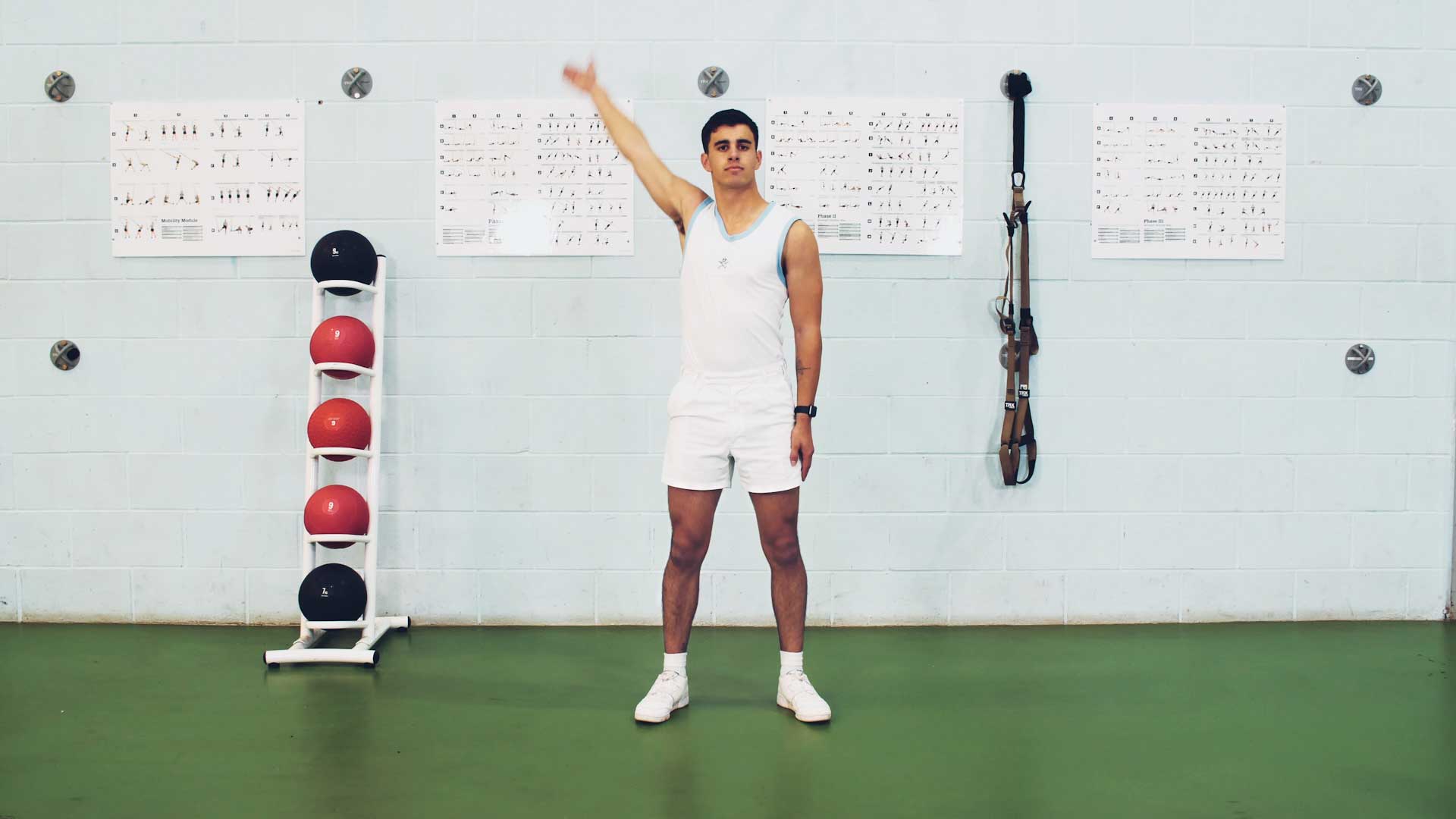
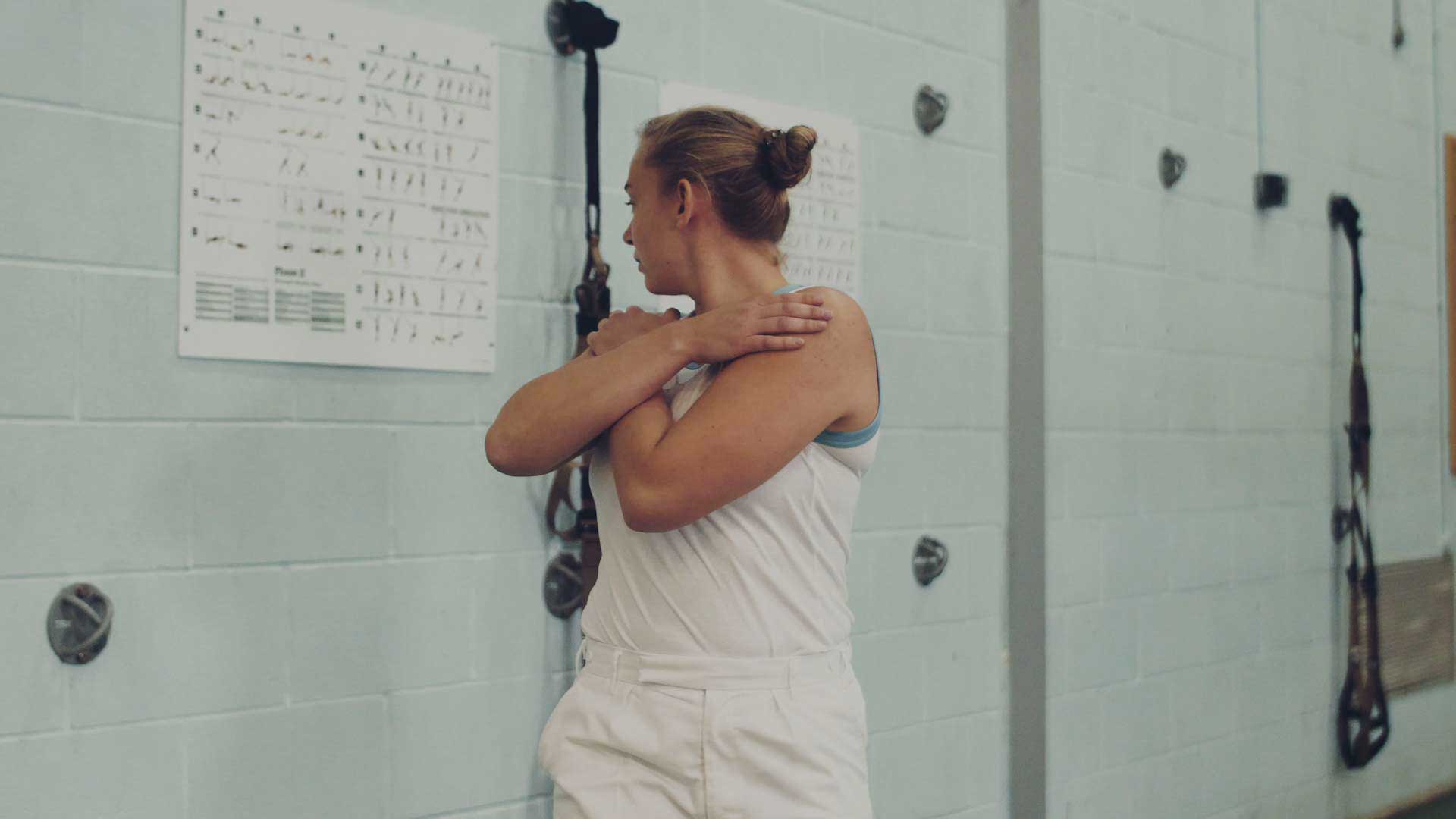
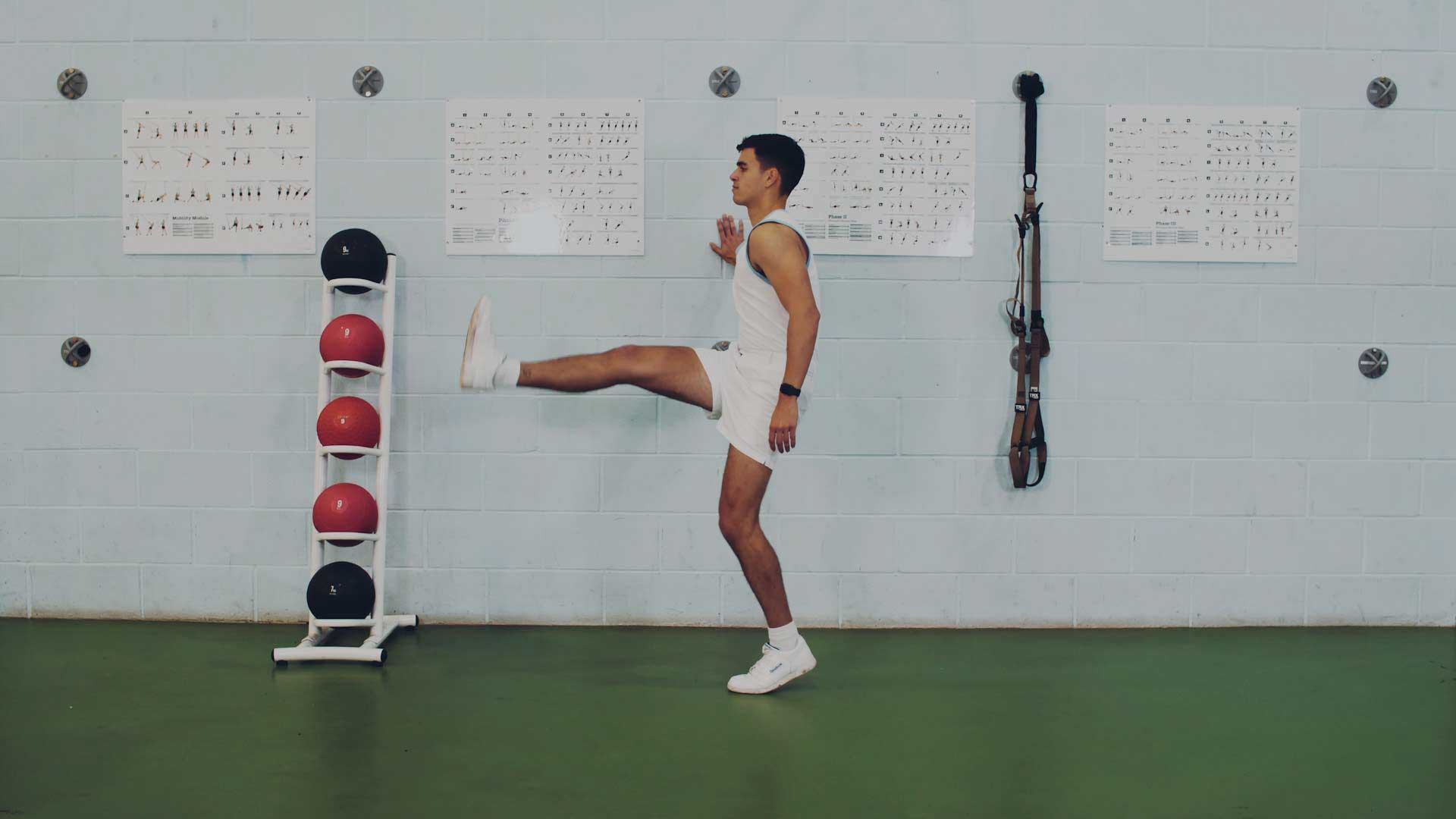
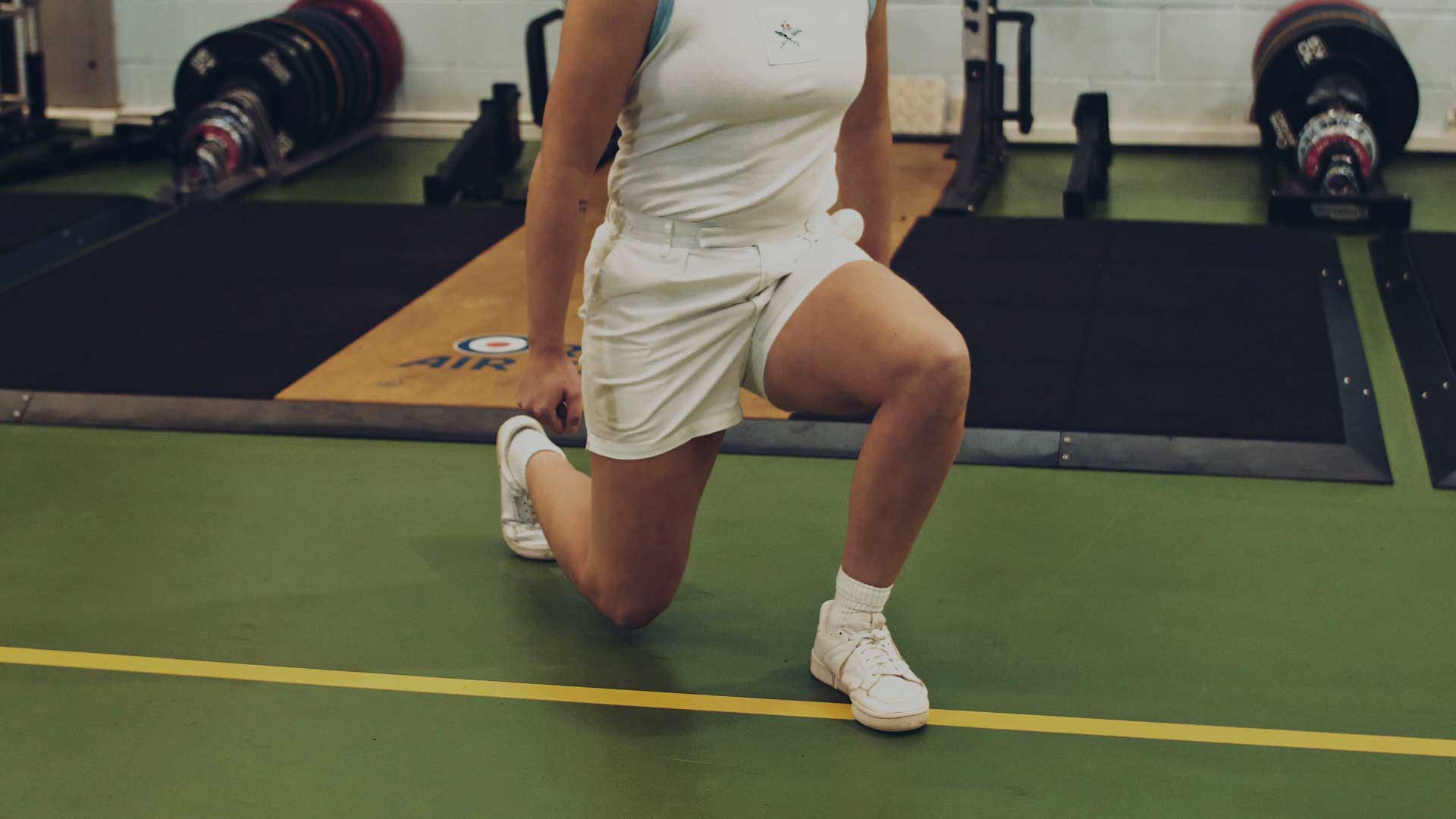
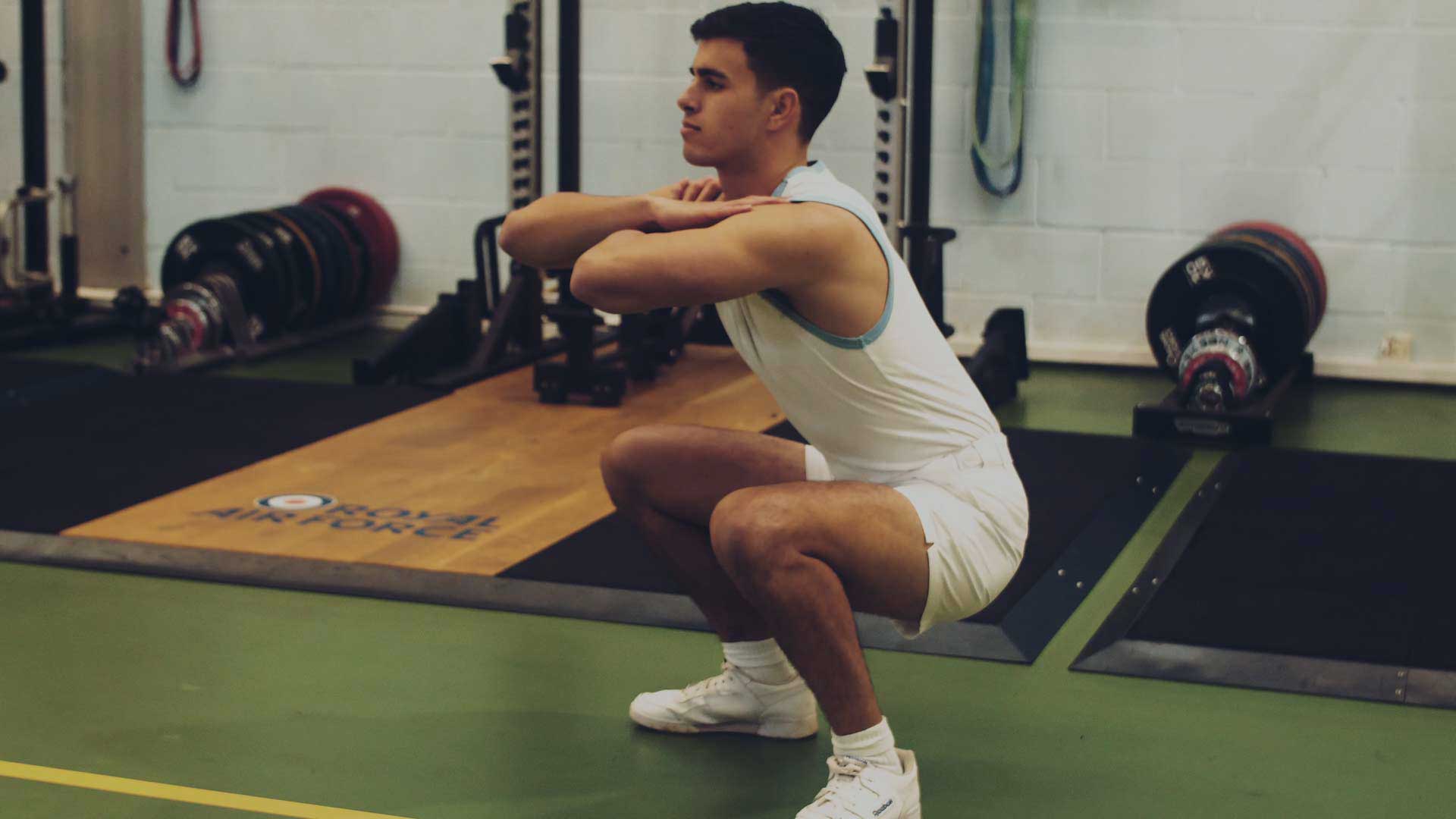
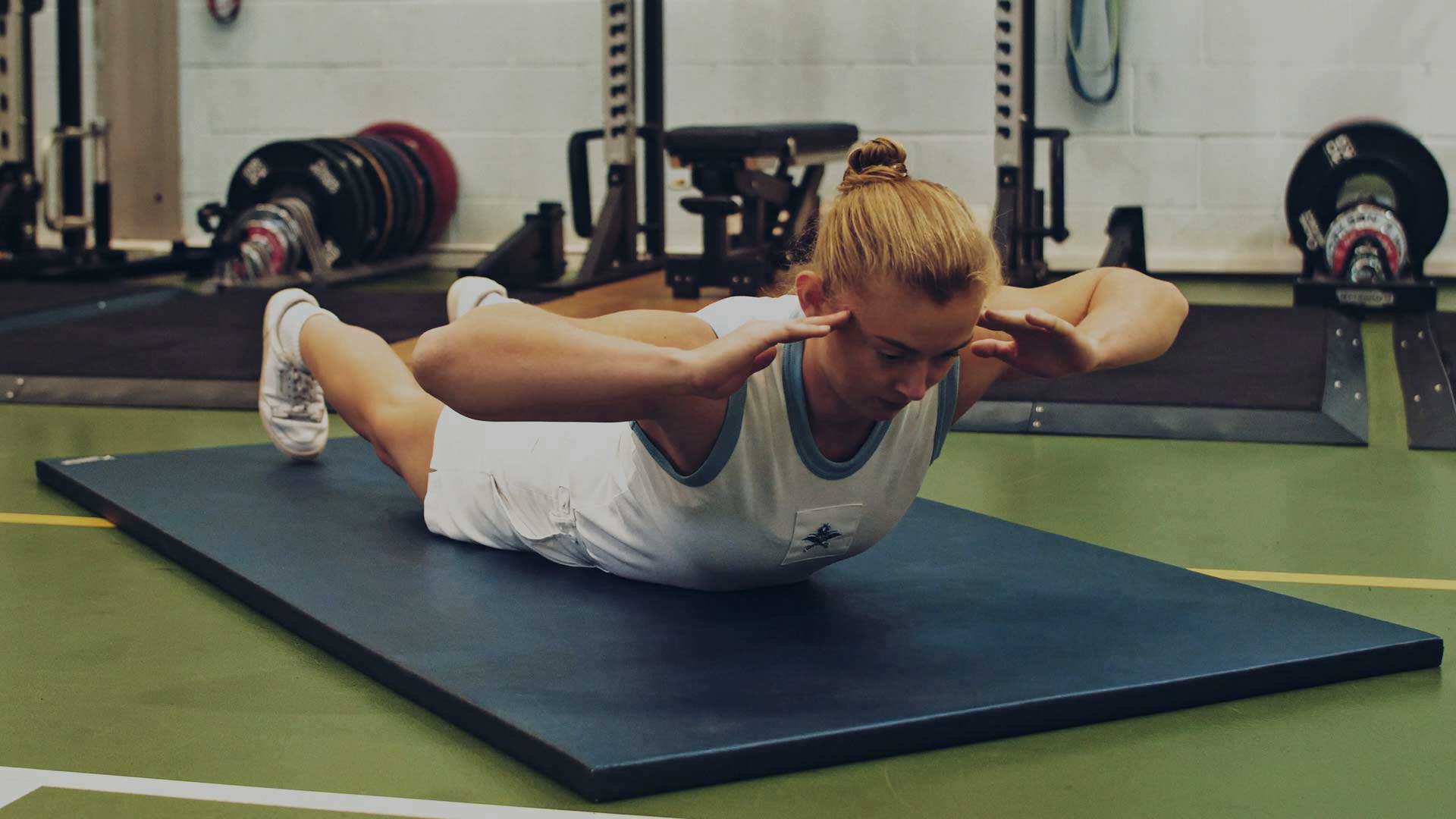
Take 2-3 minutes to warm up with these gentle exercises for the whole body. Your body will be primed ready for training and the mobility exercises will help to look after your joints.
FITNESS TEST EXERCISES
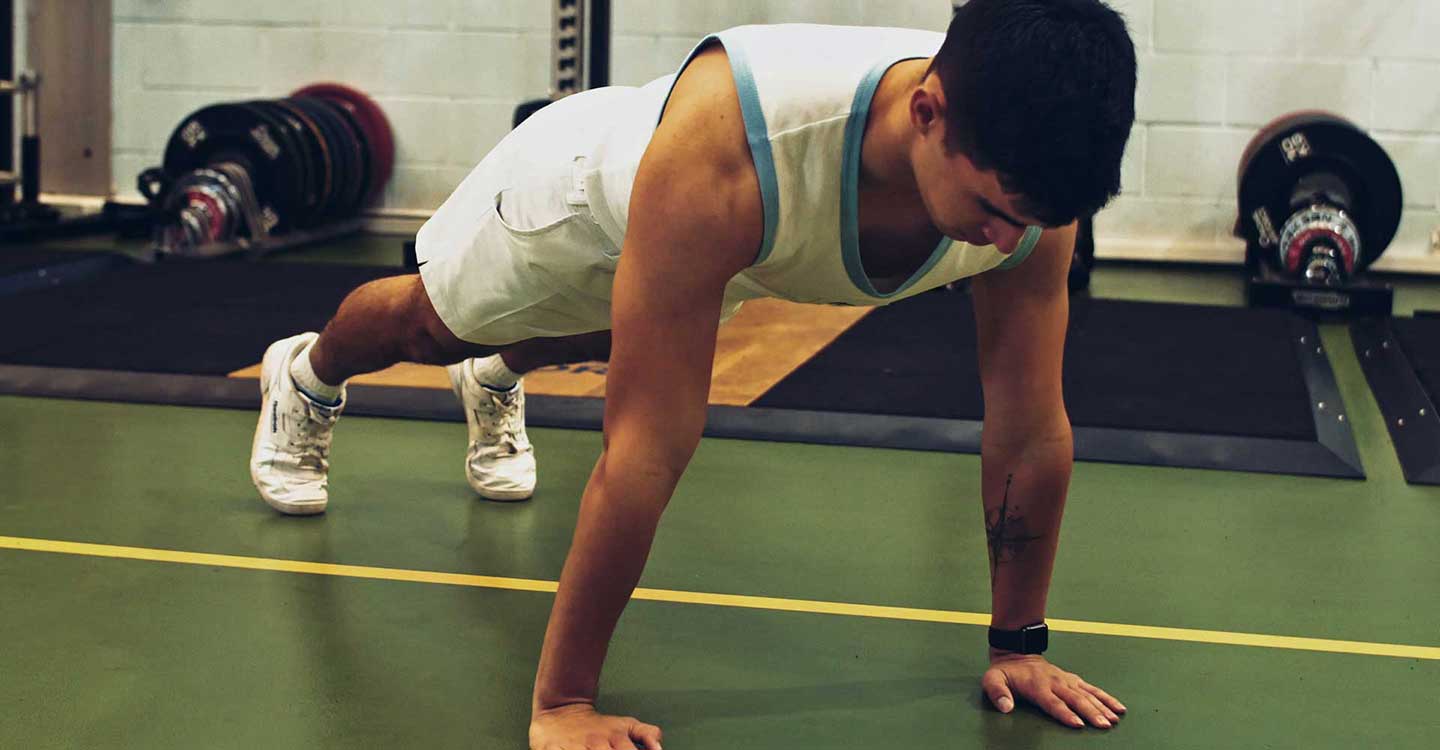
Focus your energy on the right type of training you need to compete ahead of your Pre-Joining Fitness Test (PJFT). Our personal training instructors will show you exactly how to do it.
FITNESS IN THE RAF
Being fit encompasses everything - looking after yourself, being resilient, being robust, staying fit and avoiding injuries.
We look at your aerobic fitness, muscular endurance and mobility. These are all areas you can improve through hard work and training.
Warming up and cooling down are essential. Warming up helps to prevent injury by preparing your body for training and cooling down helps your body return to normal after exercise.
Improving your fitness is a great way to prepare for your life in the RAF.
WARMING UP & MOBILITY EXERCISES


CARDIOVASCULAR EXERCISE
Aerobic fitness is about how well you get oxygen around your body. If an activity makes you warm and out of breath it’s probably working your aerobic fitness.
Activities like cycling, swimming, running and walking are all good examples.
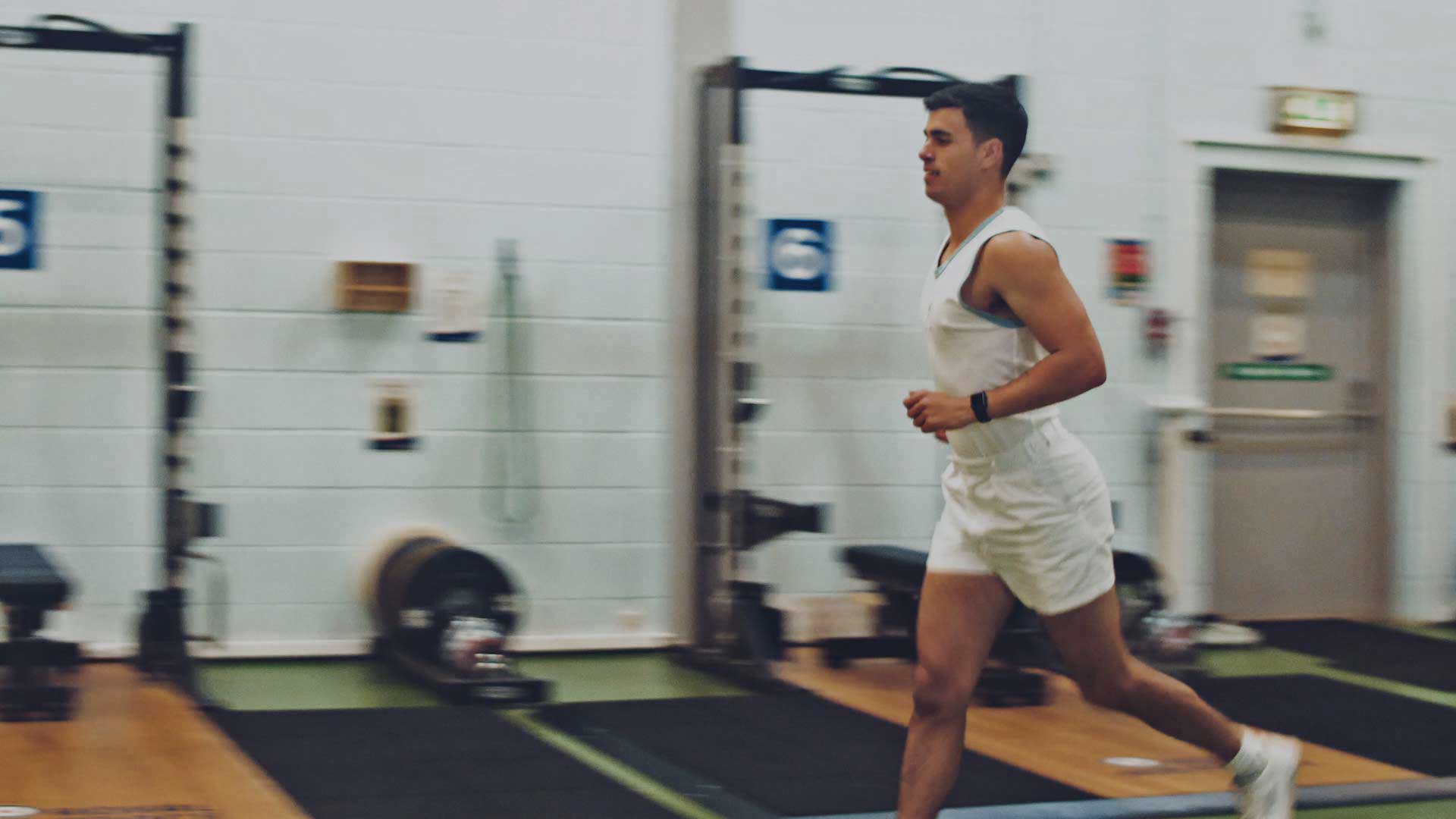
Running
MUSCULAR ENDURANCE EXERCISES
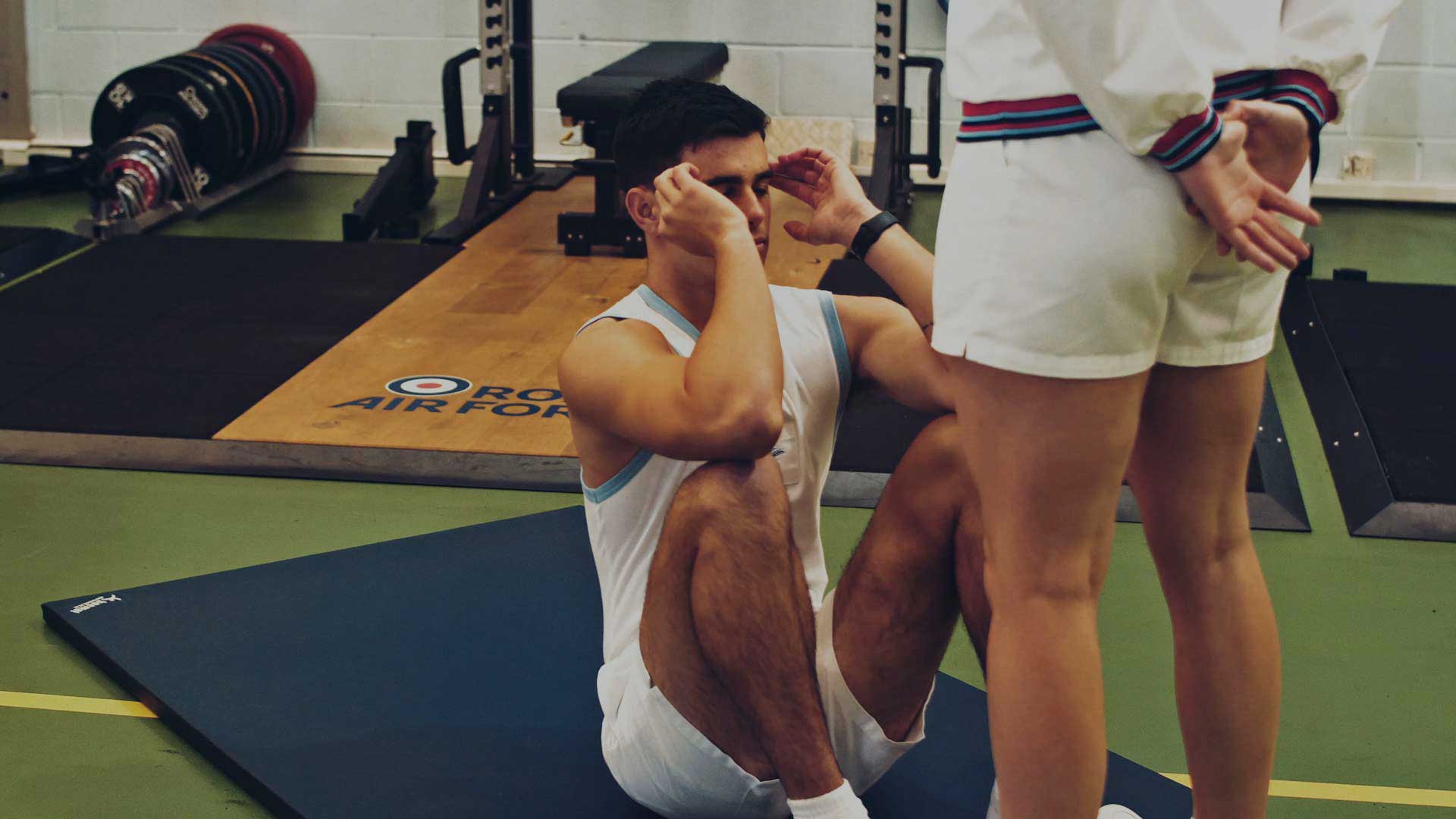
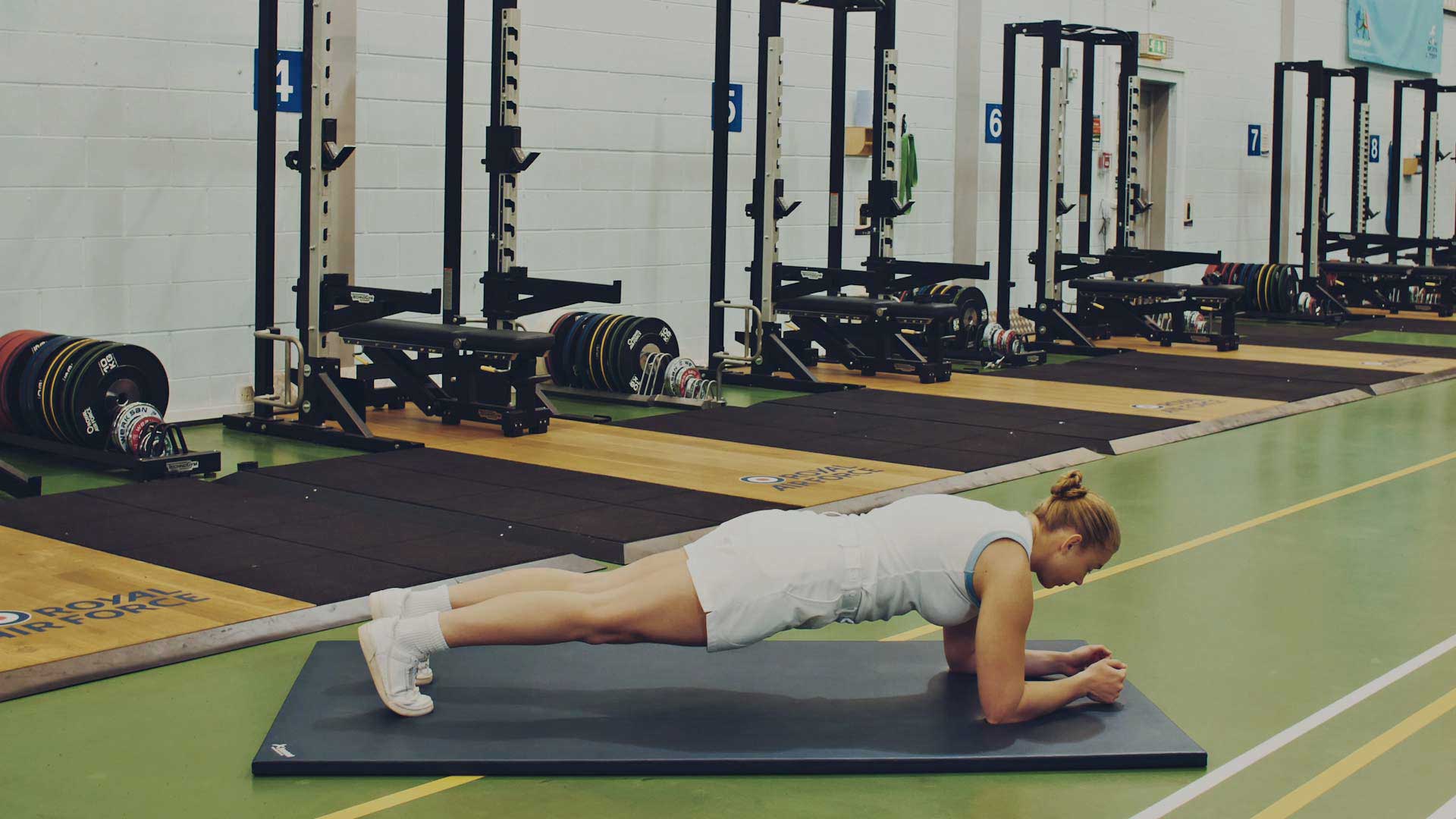
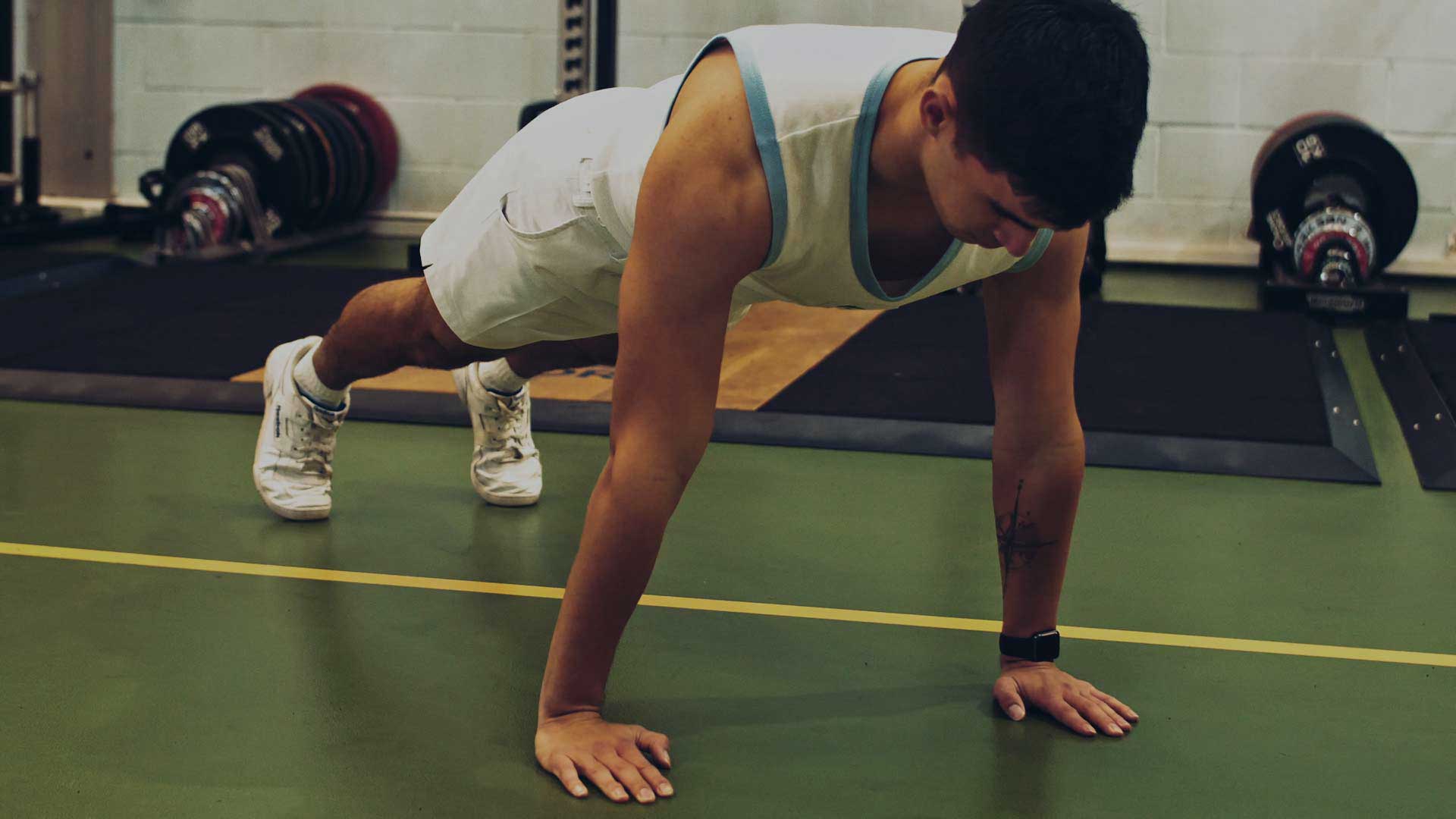
This is about how powerful your muscles are and how well they work against resistance. Press-ups, sit-ups and tricep dips are all good examples.
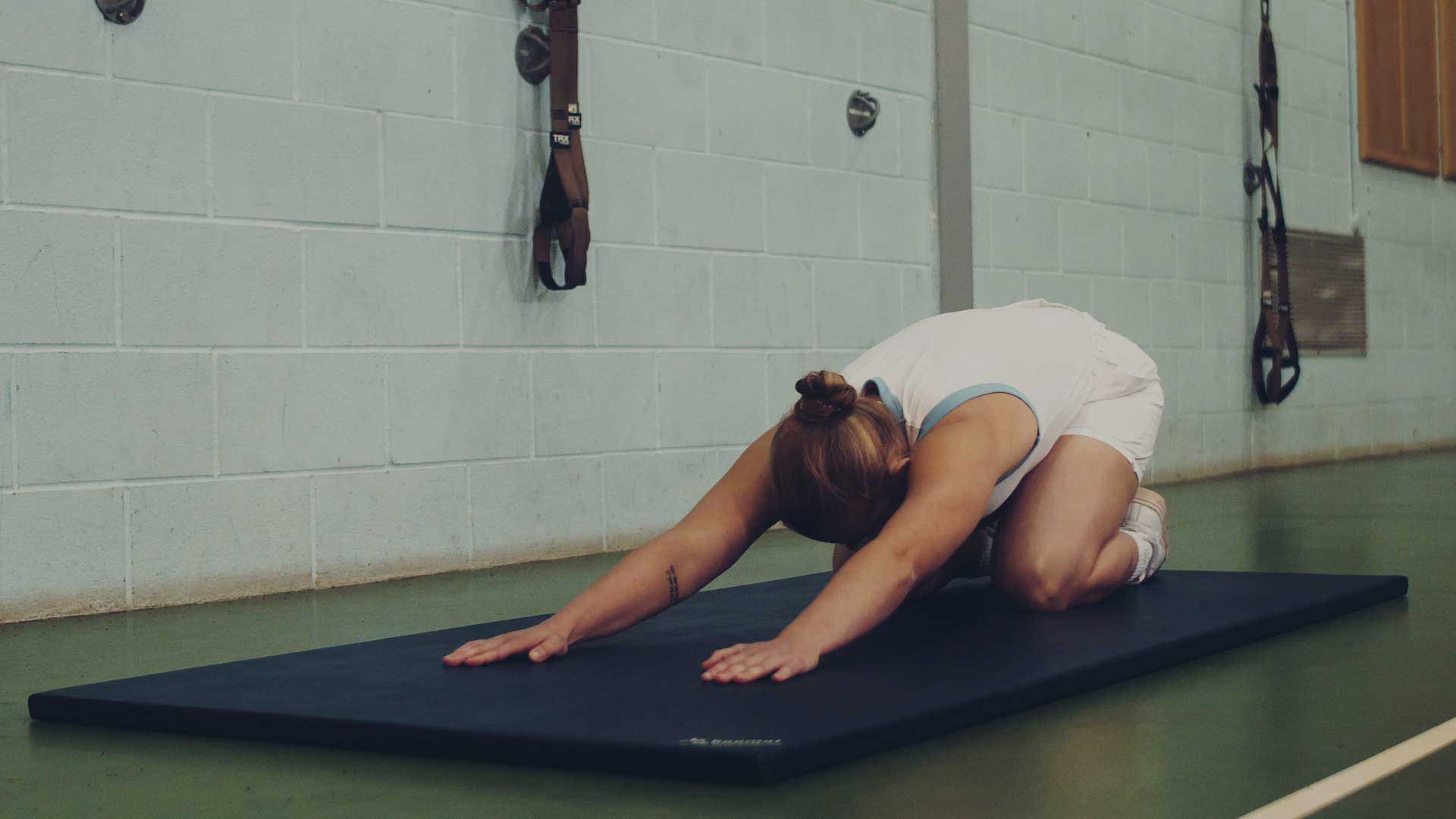
COOL DOWN
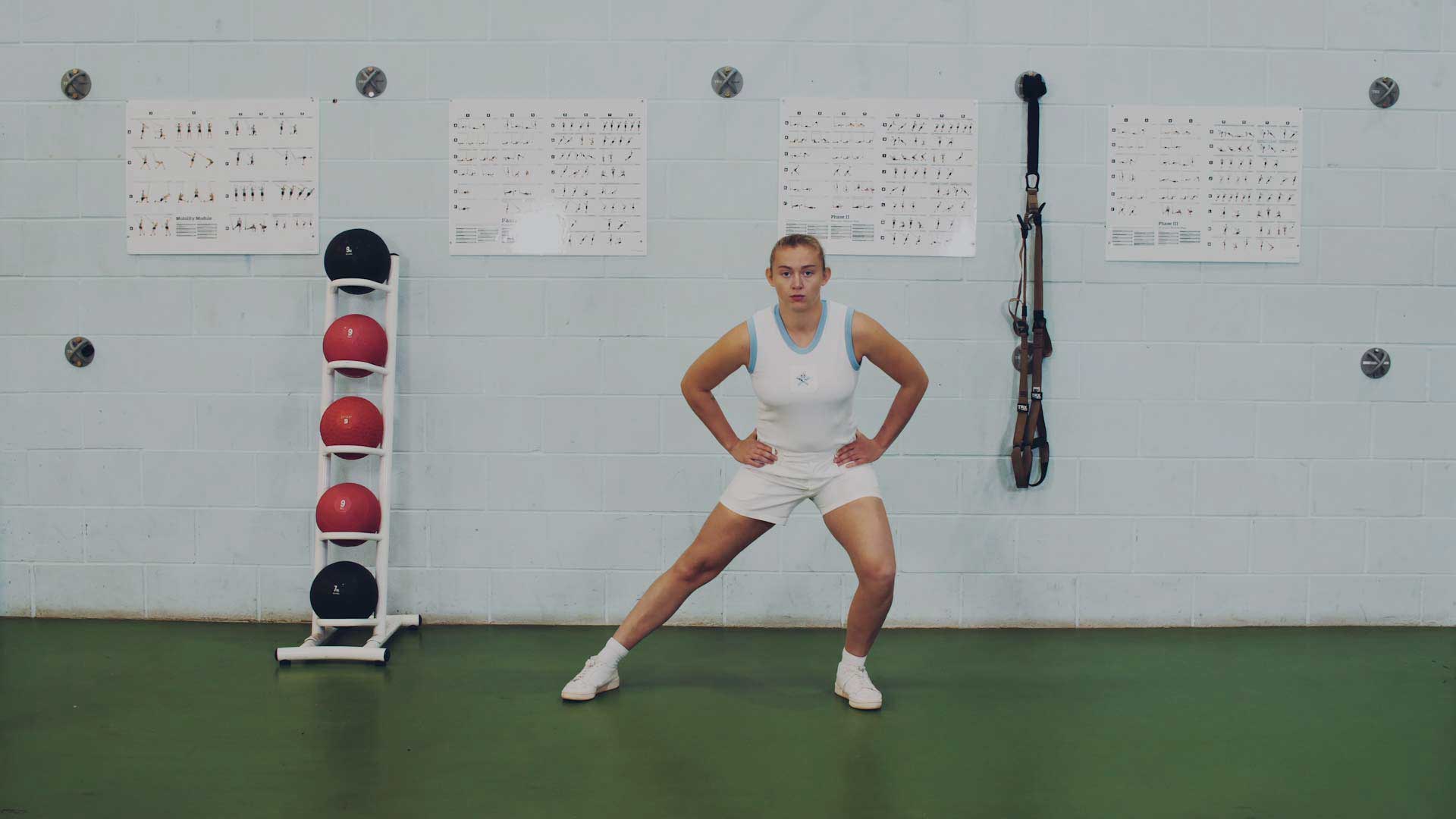
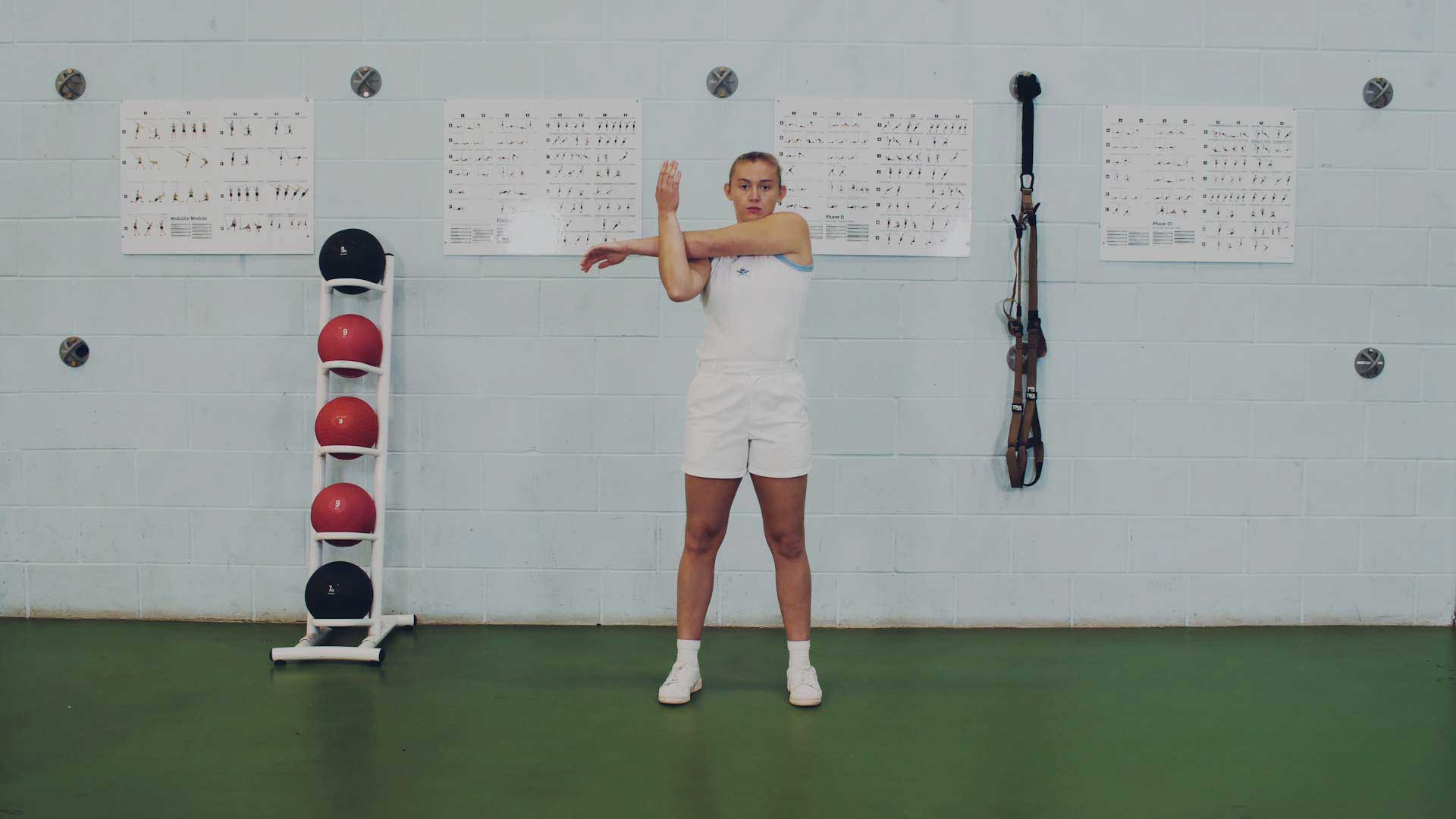
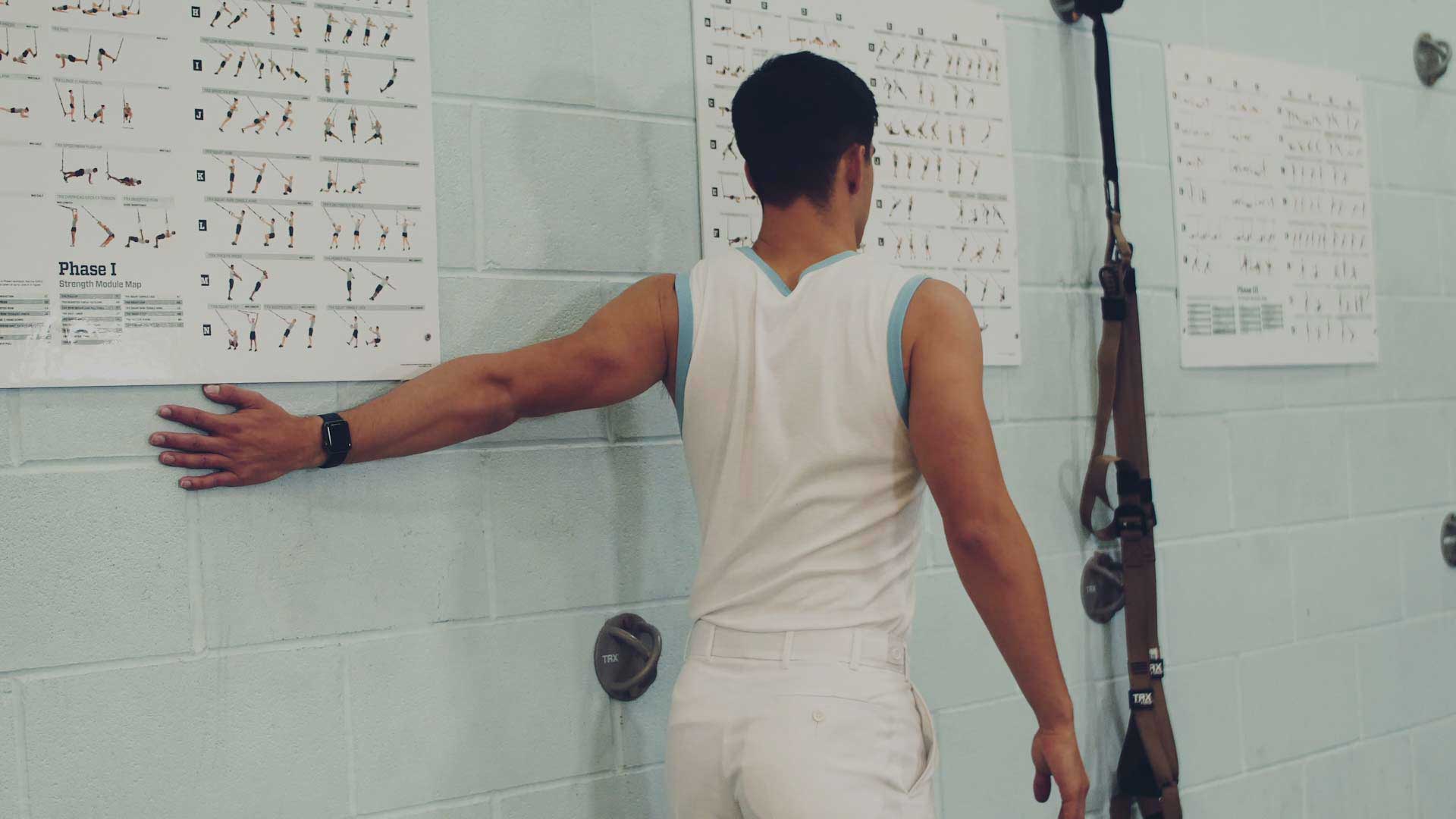
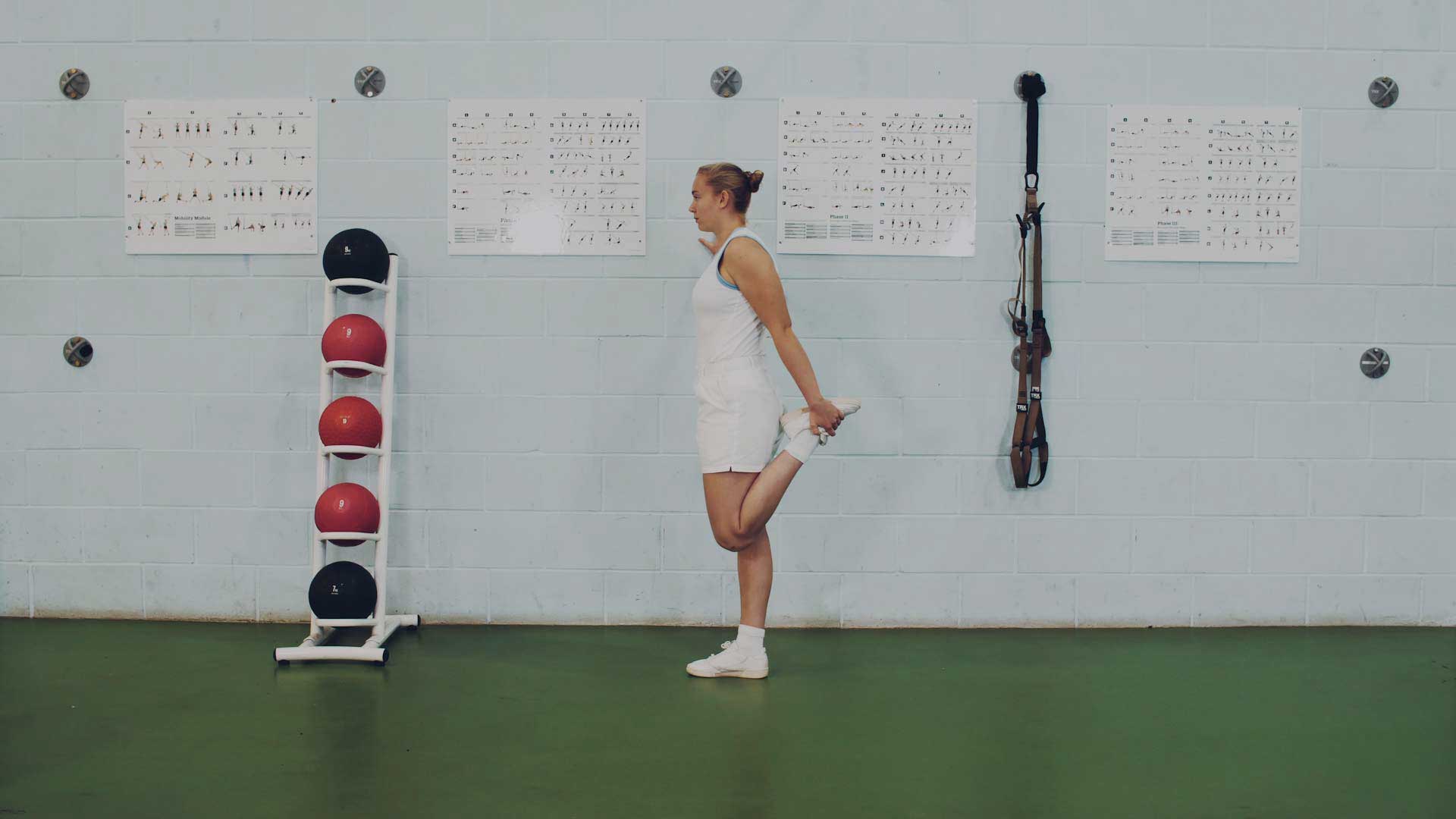
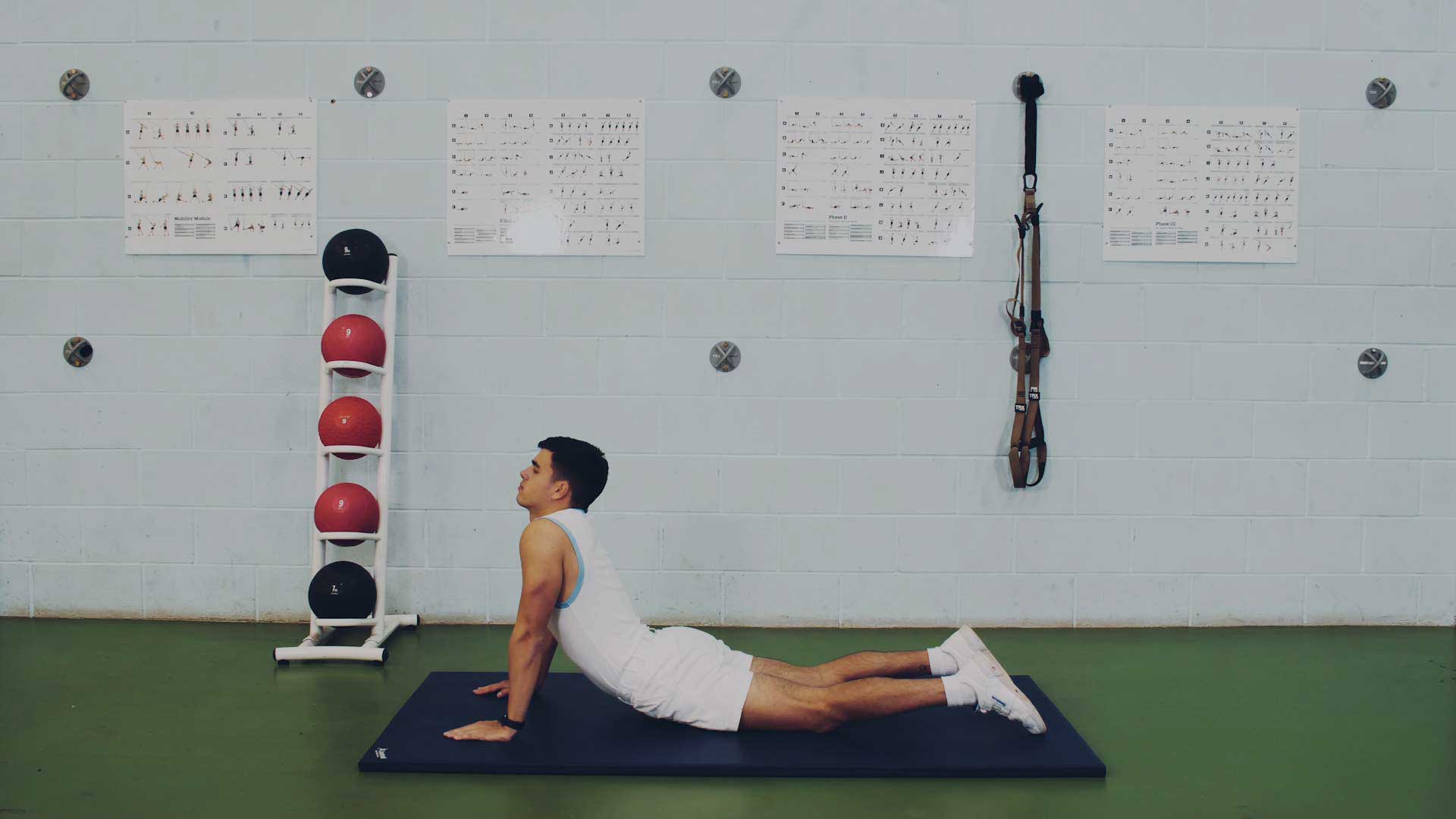
Now it’s time to stretch to allow your muscles to recover. Complete each of the exercises below holding each for 30 seconds.
This will ensure your body recovers properly and is prepared for any future workouts.


EATING WELL
Nourishing your body well is just as important as training it. A balanced diet will help you stay strong and healthy so you can perform at your best.
Food tips
- Base your plate on starchy foods like potatoes, bread and rice.
- Eat at least 5 portions of fruit and veg a day.
- Include protein - meat, fish or lentils are all good sources.
- Stay hydrated - drink 6-8 glasses of water a day.
- Be mindful about your alcohol intake - make sure you have a number of alcohol-free days every week.
- Start the day strong with a healthy breakfast to energise you for the day.
- Eat at least one portion of oil fish every week.
- Cut down on saturated fat - fewer sausages, fatty meats and butter.
- Eat less sugar - less fizzy drinks, cakes and pastries.
- Check food labels and choose those with a lower salt content.
FITNESS PREPARATION
Look no further, here are the resources you’ll need to get started on your fitness journey and to train for PFJT.

